




One IoT platform, from connected devices to useful data
LMT’s Internet of Things platform brings device management, sensor monitoring and remote commands into one interface. Designed for devices built using IoT Shortcut, it receives and decodes device data, then processes and stores it in the AWS cloud.
Use the platform’s existing monitoring, management and data access capabilities when developing connected products. Your team can focus on sensors, application functionality and customer needs without building these platform components from scratch.
Connect, monitor and manage
- Connect your devices. Build with IoT Shortcut connectivity module and send measurements over NB-IoT or LTE-M cellular networks using CoAP. The IoT connectivity platform receives and decodes the data for processing and storage in AWS.
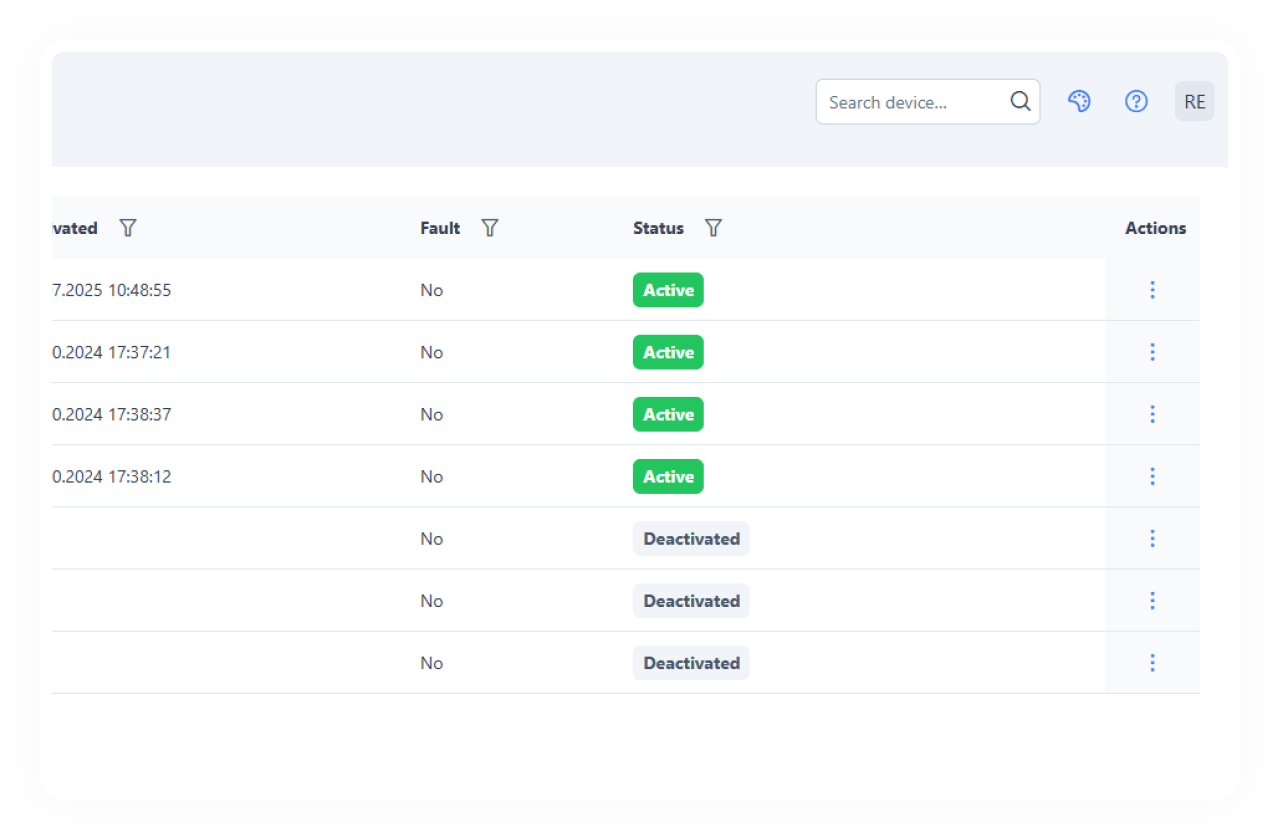
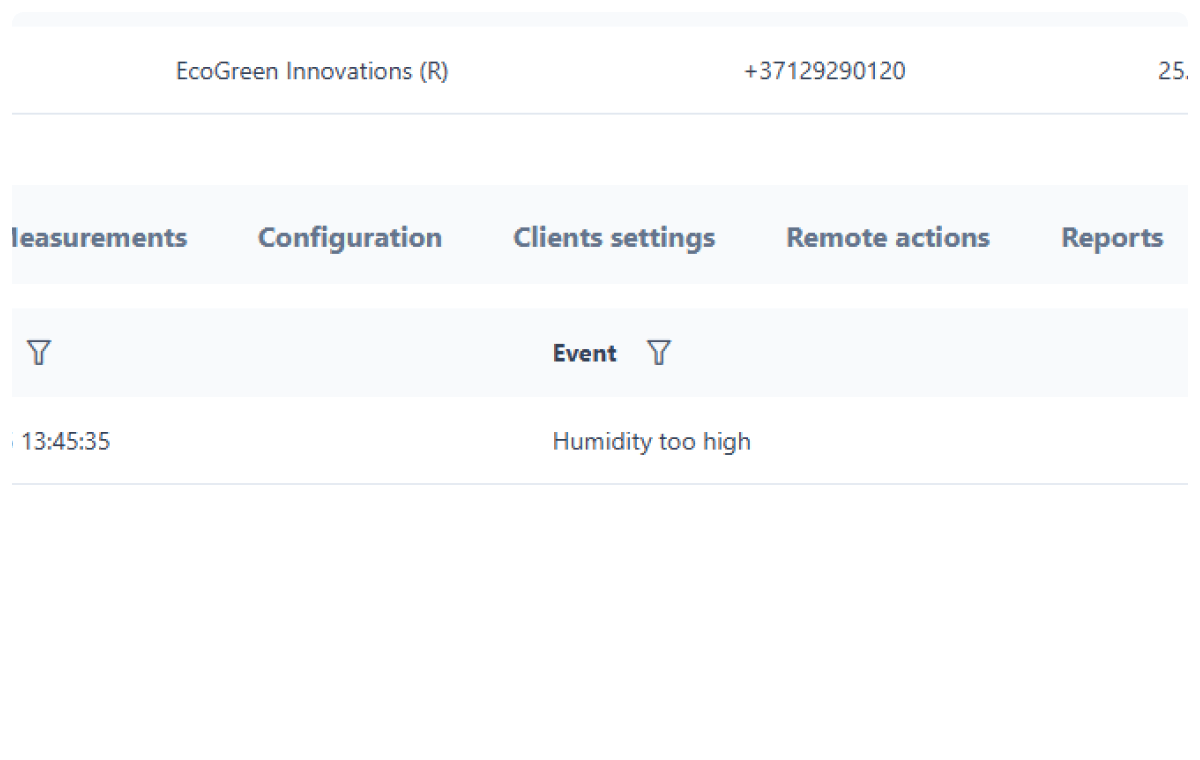
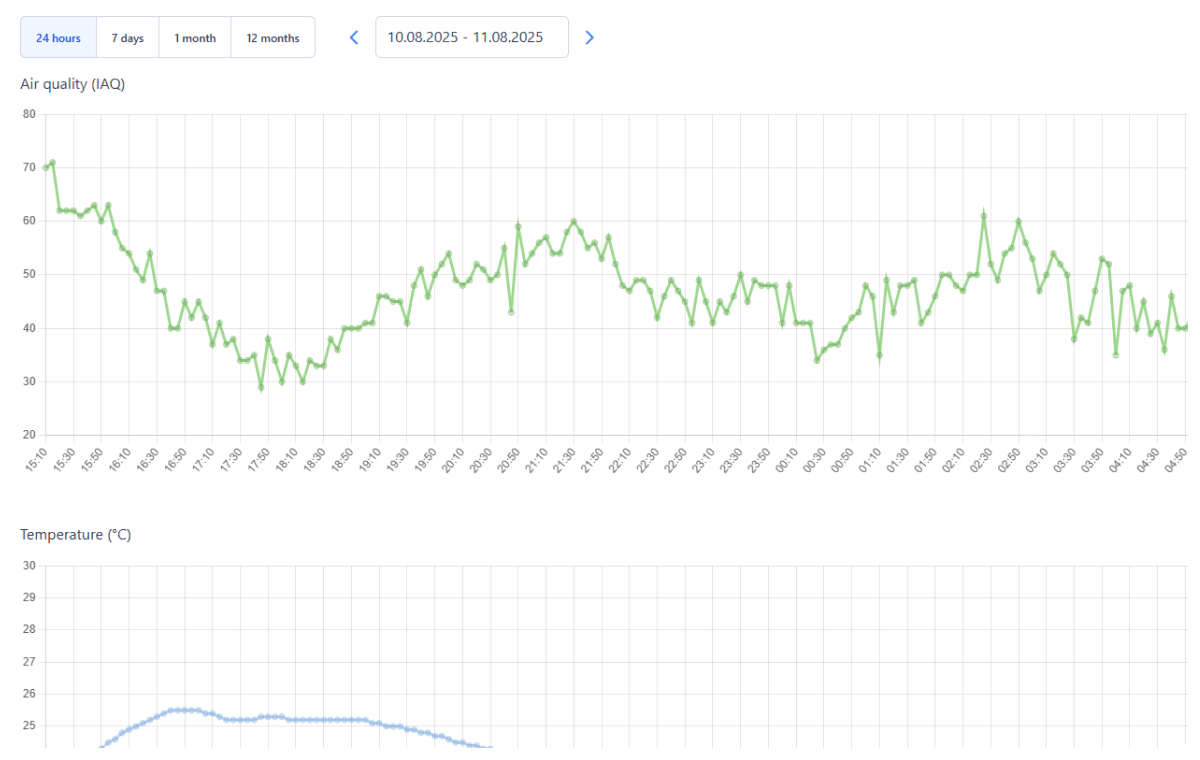
- Monitor measurements and device health. Check device status and firmware versions alongside sensor readings such as temperature and humidity. Review device events derived from measurement analytics to identify changes that need attention.
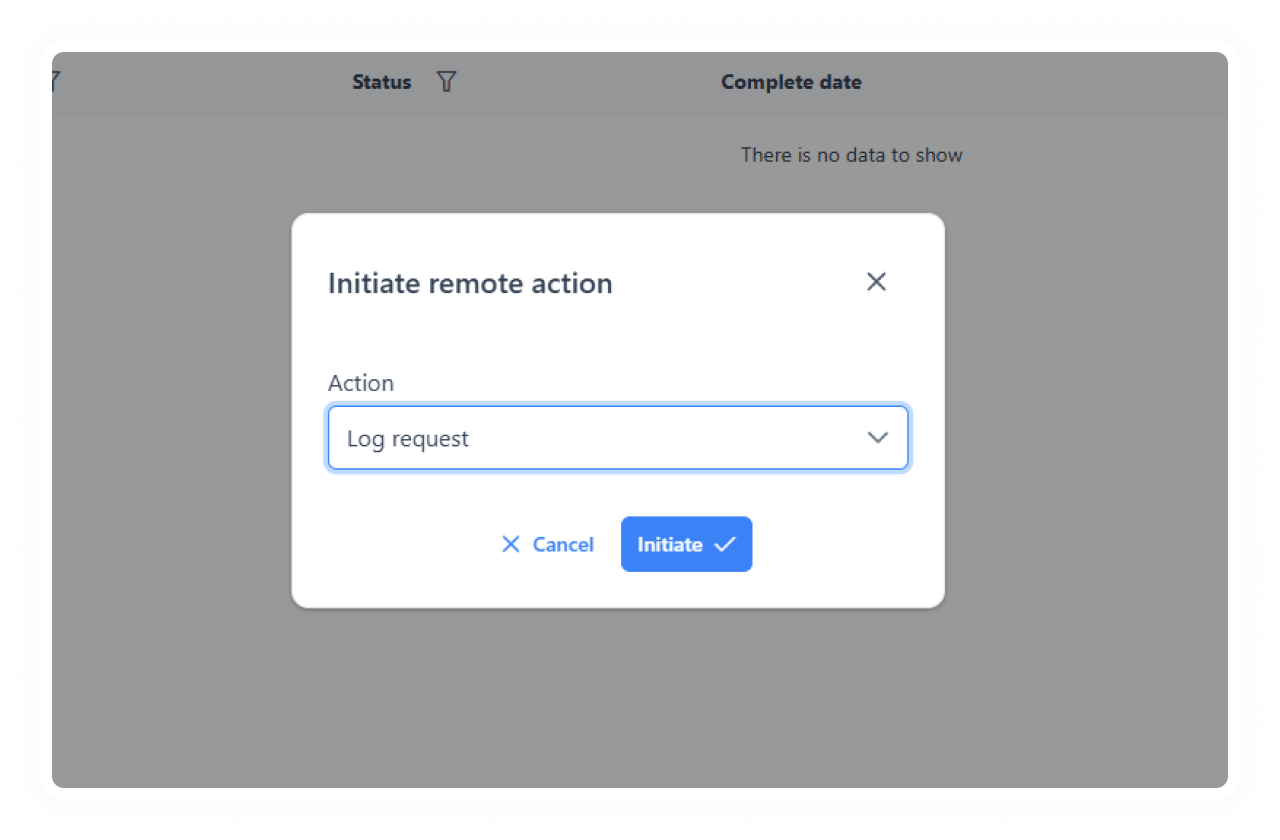
- Manage devices remotely. Send commands to restart devices, adjust configurations and update firmware. Handle routine maintenance through the platform to reduce the need for on-site visits.
Fit device data into your business
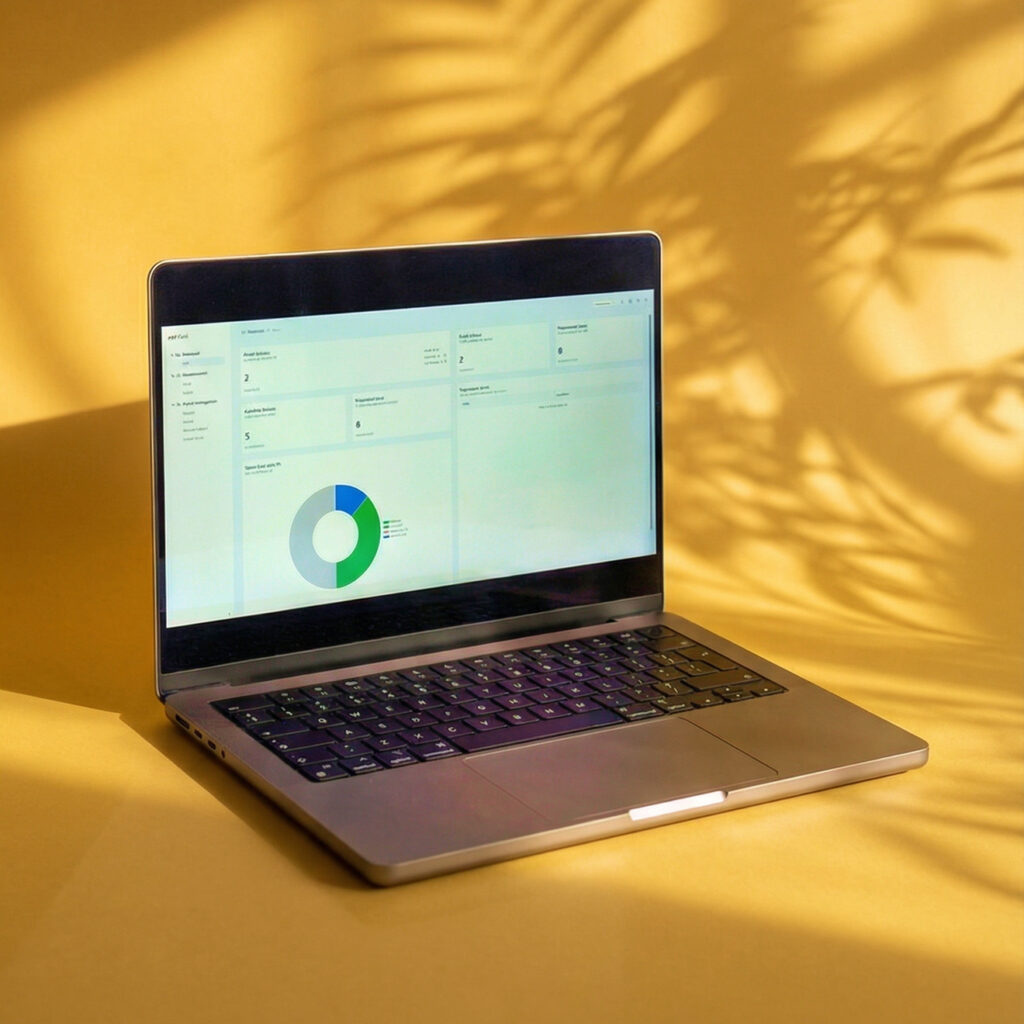
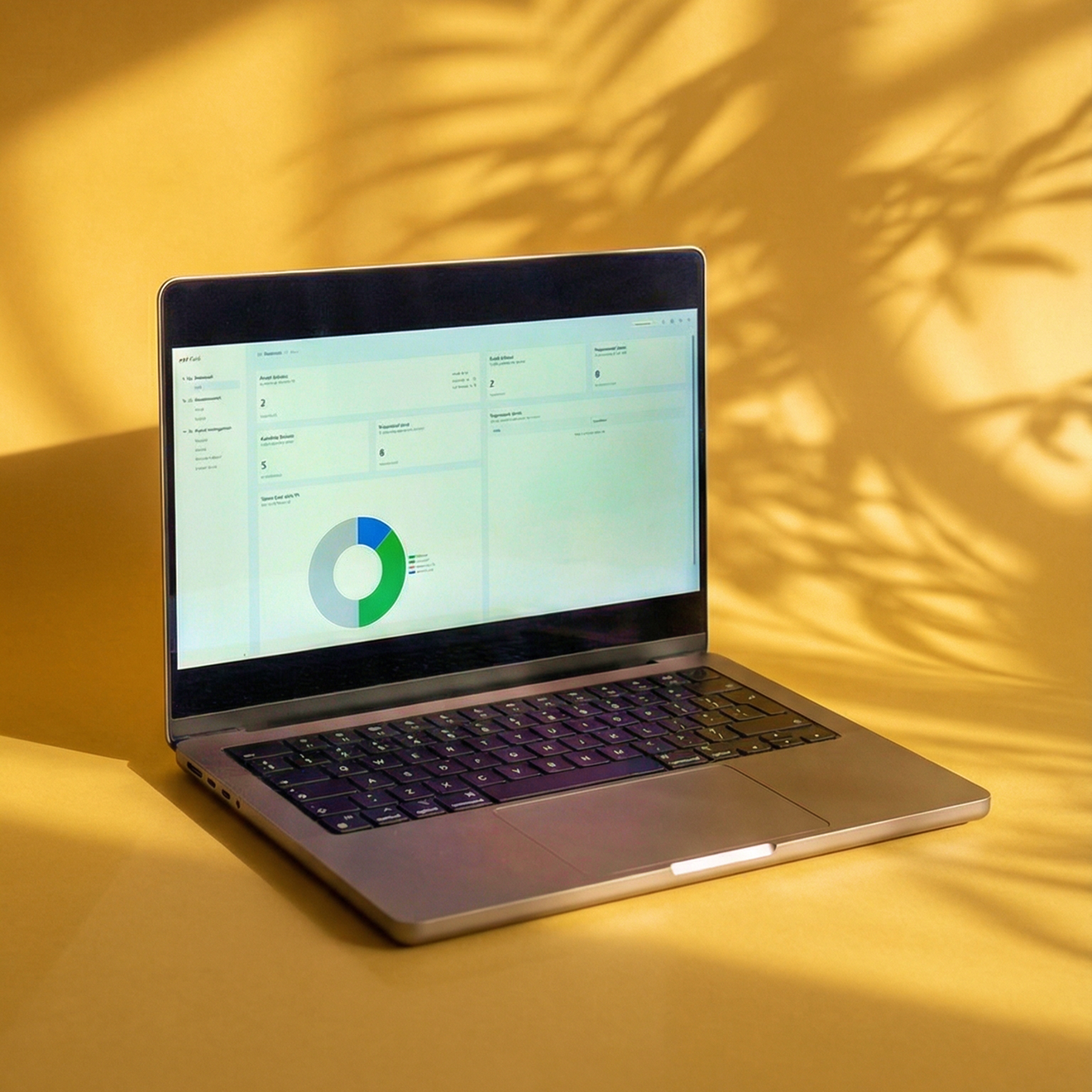
Use real-time dashboards to monitor your deployment, or access data through APIs and webhooks to connect it with your existing systems and workflows.
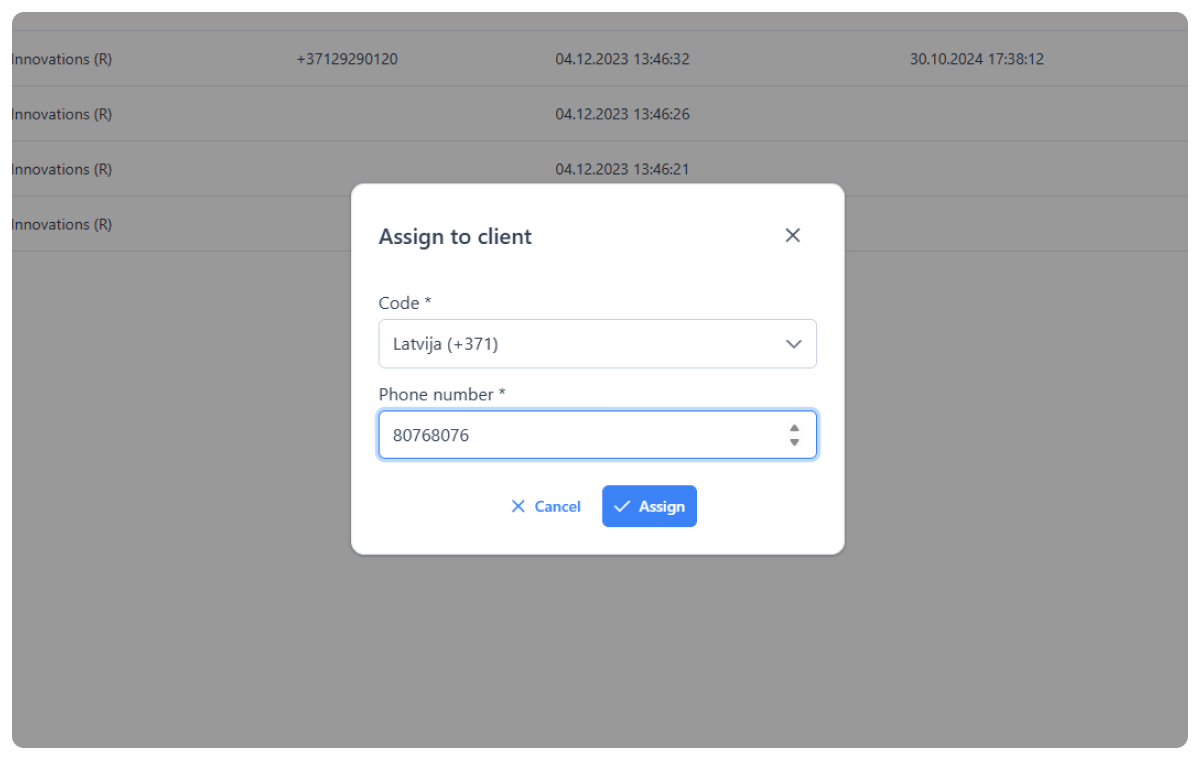
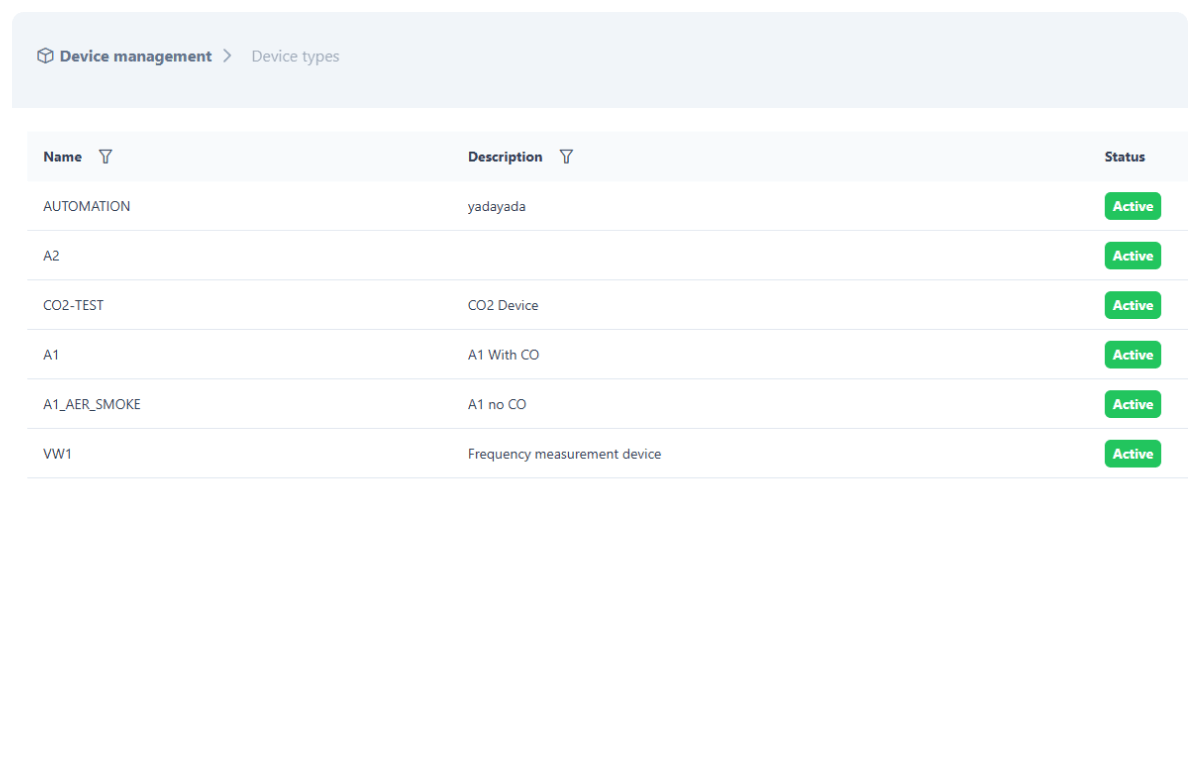
Create and edit custom device profiles, assign devices to clients and manage their status throughout the device lifecycle. White-label options allow system integrators, operators and startups to present the platform under their own brand.
Choosing an industrial IoT platform
For businesses comparing industrial IoT platforms, LMT offers an AWS cloud-hosted platform designed to work with IoT Shortcut-based devices. Its connection flow combines NB-IoT or LTE-M cellular connectivity with CoAP communication, while dashboards, APIs and webhooks provide access to device data.
This makes the platform relevant for deployments that need sensor monitoring, visibility into device health and remote maintenance. Your team can review measurements, check firmware versions and send commands from a shared interface, while client assignments and custom device profiles help organize the deployment as it grows.