How Epona AI Labs uses Edge AI and LMT IoT Shortcut to listen for rail faults
By combining Infineon Technologies Edge AI with reliable cellular connectivity and cloud capabilities, Epona AI Labs can continuously monitor railway tracks while focusing its development resources on the acoustic algorithms at the heart of its solution.
Railway networks can stretch across thousands of kilometres, making it difficult for operators to maintain a continuous picture of track condition.
Traditional inspections are often carried out at scheduled intervals using dedicated equipment or specialist inspection vehicles. While these checks remain important, the time between them can create gaps in visibility. A developing fault may not be identified until the next inspection—or until it begins to affect operations.
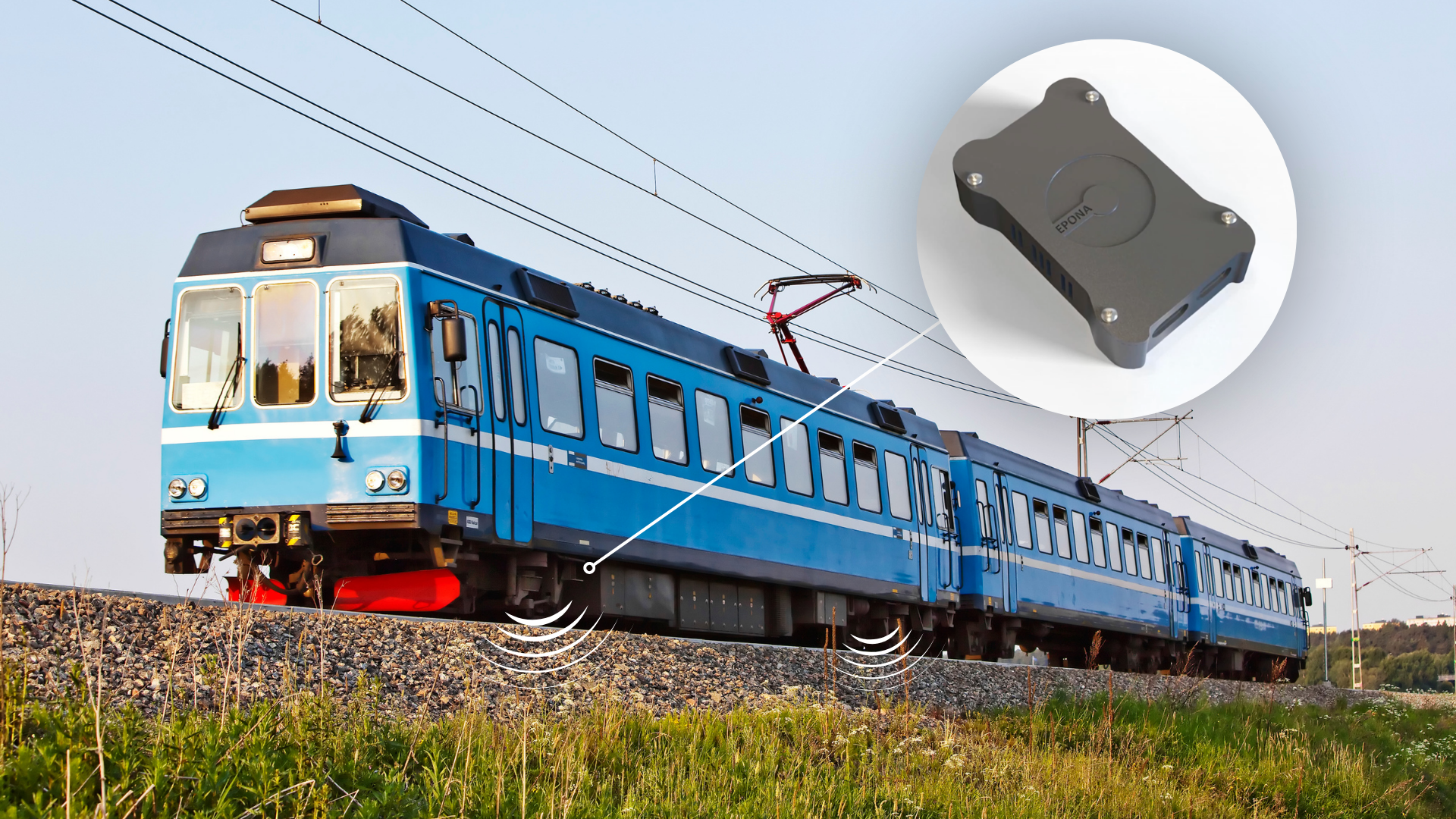
Epona AI Labs is developing an acoustic sensing solution designed to help railway operators monitor tracks more continuously. Installed beneath train carriages, the system listens to the interaction between the train and the track, identifies unusual sounds and geolocates potential anomalies for further investigation.
To deliver these insights quickly, Epona AI Labs needs more than sensitive acoustic sensors. It also requires edge processing, dependable connectivity and cloud infrastructure that can work together as trains travel through changing—and sometimes isolated—environments.
LMT IoT’s product IoT Shortcut is an all-in-one platform for developing and deploying connected IoT products. It brings together cellular connectivity, cloud infrastructure, device management and APIs in a single solution, giving companies a ready-made foundation on which to build their own IoT applications.
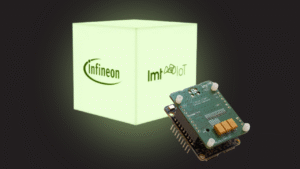
LMT IoT is also working with Infineon Technologies to make Edge AI easier to integrate into connected products. The collaboration brings together Infineon’s Edge AI hardware with LMT IoT’s cellular connectivity and engineering expertise, enabling data such as sound and vibration to be processed directly on the device before relevant insights are sent to the cloud.
For Epona AI Labs, this means the team can focus on its acoustic sensing and AI capabilities rather than building the underlying connectivity and cloud infrastructure from scratch.
By working with LMT IoT, Epona AI Labs has been able to use this integrated connectivity and cloud foundation instead of developing these elements independently. According to the company, this has shortened its development process by an estimated three to six months and allowed the team to concentrate on its core acoustic AI technology.
The main challenge Epona AI Labs is addressing is one of scale.
Railway operators are responsible for extensive networks that cannot be physically inspected everywhere at once. Dedicated inspection processes can also be costly and may only provide a snapshot of track condition at a specific moment.
“The main challenge railways face is knowing where there is a problem on the tracks,” says Alfredo Arreba, Co-founder and CEO of Epona AI Labs. “There are thousands and thousands of kilometres of track, and it is impossible to know the condition of every section at any given time.”
Epona AI Labs aims to supplement existing maintenance processes with acoustic sensing that operates during normal train journeys.
Sensors installed underneath a train carriage continuously capture sounds produced as the train moves along the track. The system then analyses this acoustic information to identify sounds that differ from expected patterns.
When a potential anomaly is detected, the solution can record its location and raise a flag for the railway operator or maintenance team.
“We install acoustic sensing solutions underneath train carriages, and they sweep the network continuously,” Arreba explains. “We listen for anomalies, geolocate them and raise red flags.”
Sending every raw acoustic recording to the cloud would require significant bandwidth and could delay the delivery of important information.
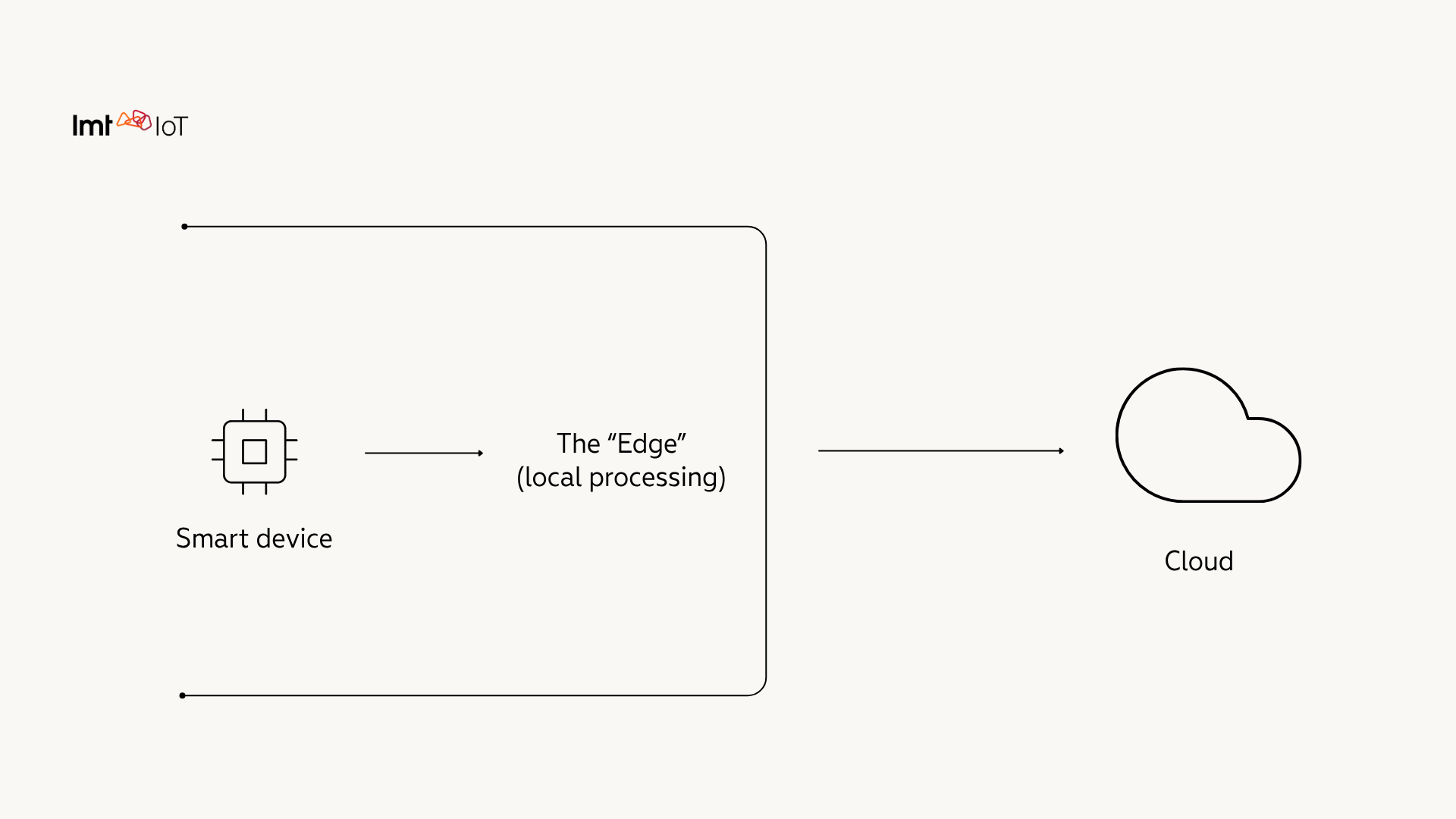
Epona AI Labs therefore uses edge intelligence to analyse acoustic signals close to where they are collected.
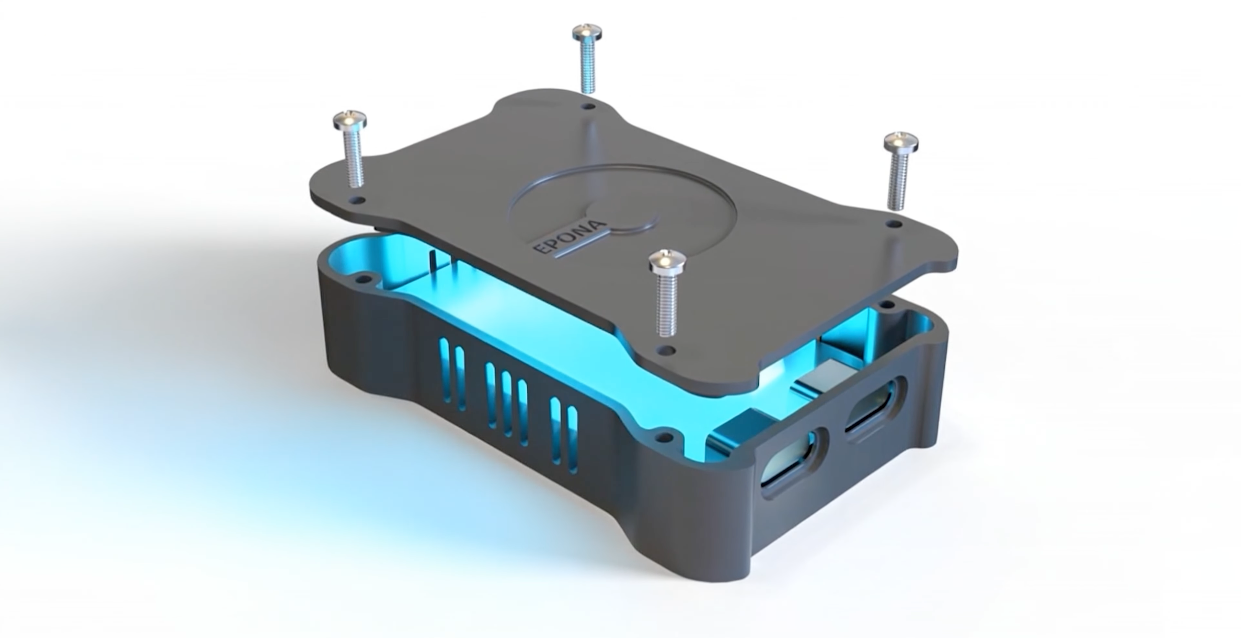
Acoustic MEMS sensors capture sound generated by the train-track interaction and pass the data to an edge AI processing unit. The processing unit interprets the signals and determines whether they contain patterns that may indicate an anomaly.
Infineon Technologies provides the Edge AI technology that supports this local processing. It enables acoustic data to be analysed close to the source, allowing the system to filter large volumes of raw sound and identify the events that may require further attention. LMT IoT Shortcut then provides the cellular connection and cloud foundation needed to deliver those relevant events from the moving train to the wider platform.
“We need edge intelligence and edge processing so we can react very quickly,” says Arreba. “The acoustic sensors deliver the sound to an edge AI unit, which interprets what is happening and allows us to make decisions on site.”
Processing information at the edge can help the system prioritise the most relevant events rather than transmitting large volumes of unfiltered acoustic data.
It also supports faster reactions when a potentially significant anomaly is detected.
Rail monitoring devices must operate across a wide variety of environments.
A train may pass through cities, rural areas, tunnels and remote sections of the network during the same journey. Connectivity conditions can therefore change continually.
For Epona AI Labs, reliable communication is important because detected anomalies need to be transmitted from the moving train to the wider platform, where operators can access and act on the information.
“It is critical for us to have real-time connectivity, even in isolated areas,” Arreba says. “Sometimes connectivity is available and sometimes it is not, so we need the connection to be as precise, efficient and reliable as possible.”
This creates two related requirements. The system needs to communicate when coverage is available, but it may also need to retain information safely and transmit it later if the connection is temporarily interrupted.

Rather than developing the complete connectivity and cloud foundation internally, Epona AI Labs selected LMT IoT as its IoT partner.
Arreba describes the LMT IoT product IoT Shortcut solution as a one-stop-shop approach that brings together the capabilities the company needs while integrating with the hardware and processing technology already used by Epona AI Labs.
“I would not describe it as completely plug and play, but it is well integrated with the platform we use,” he says. “It is simple, reliable and allows us to get what we need.”
The collaboration supports two particularly important areas for Epona AI Labs:
- connectivity between the trains and the wider system;
- cloud capabilities for receiving, managing and presenting information.
The intended technical flow can be summarised as follows:
- Acoustic sensors capture sound beneath the train carriage.
- Infineon Edge AI technology processes the acoustic signals locally.
- The system identifies and geolocates potential anomalies.
- Relevant information is transmitted through cellular connectivity.
- The cloud platform makes the resulting alerts and insights available to railway operators or maintenance teams.
The clearest result of the collaboration is the development time Epona AI Labs says it has saved.
Building the connectivity, cloud integration and associated technical foundation independently would have required additional engineering resources. It could also have delayed the team’s work on the algorithms that distinguish its solution.
“We needed to focus on where we add value, which is in the algorithms,” says Arreba. “Having a turnkey-type solution was critical for us. It saved us between three and six months of development and allowed us to focus on our core technology.”
This gives Epona AI Labs more time to improve how its models interpret acoustic data, distinguish ordinary train-track sounds from meaningful anomalies and turn detected patterns into useful maintenance information.
The collaboration also reduces the number of separate technical areas the team must manage internally.
For a growing technology company, this can be as important as the individual components themselves. The less time the team spends recreating established IoT infrastructure, the more time it can spend validating and improving its specialised solution.
Epona AI Labs’ experience offers a broader lesson for companies developing connected industrial products.
The most differentiated part of a solution may be its algorithm, sensing method or industry expertise. However, bringing that solution into the field still requires hardware, connectivity, edge processing, cloud integration and device management.
Trying to develop every layer internally can slow progress and divert attention from the technology that customers ultimately value.
“Leverage existing solutions, find shortcuts and find good partners such as LMT IoT,” Arreba advises. “That allows you to focus on the important part—your core solution.”
For Epona AI Labs, that core solution is the acoustic intelligence used to detect meaningful changes in rail infrastructure.
LMT IoT provides the foundation needed to communicate those insights beyond the train.
“LMT IoT allows us to maintain the connectivity we need as the system moves through the rail network,” Arreba says.
Epona AI Labs is continuing to develop and validate its acoustic sensing solution for railway applications.
By combining its specialised acoustic algorithms with LMT IoT’s connectivity and cloud capabilities, Epona AI Labs can concentrate on turning sounds from the railway network into information that maintenance teams can use.