
Cellular IoT explained: A smarter way to build and scale connected devices
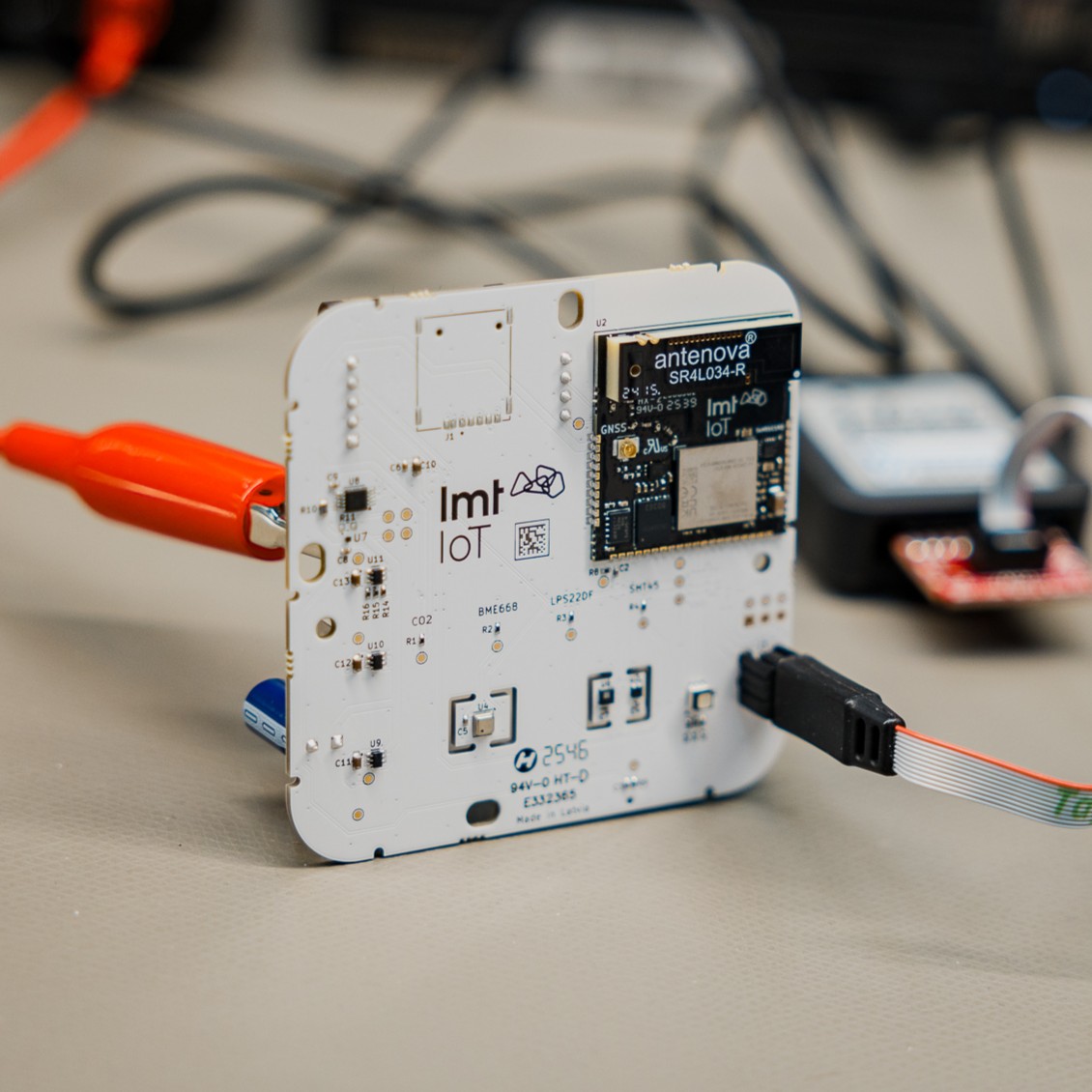
The digital floodgates are open, and the world is being woven into a single, massive network at hyper-speed. From sensors optimizing factory floors to the personal data streams generated by smart wearables and home devices, billions of new endpoints are connecting online annually.
Research shows that the number of connected IoT devices will climb to around 39 billion by 2030, with cellular IoT connectivity revenues projected to exceed $30 billion globally. It’s a clear sign that connected technology is no longer a niche.
The question is – how can startups and innovators of all sizes use cellular IoT to capitalize on this trend and move from concept to commercial success faster?
What is cellular IoT, and how it works
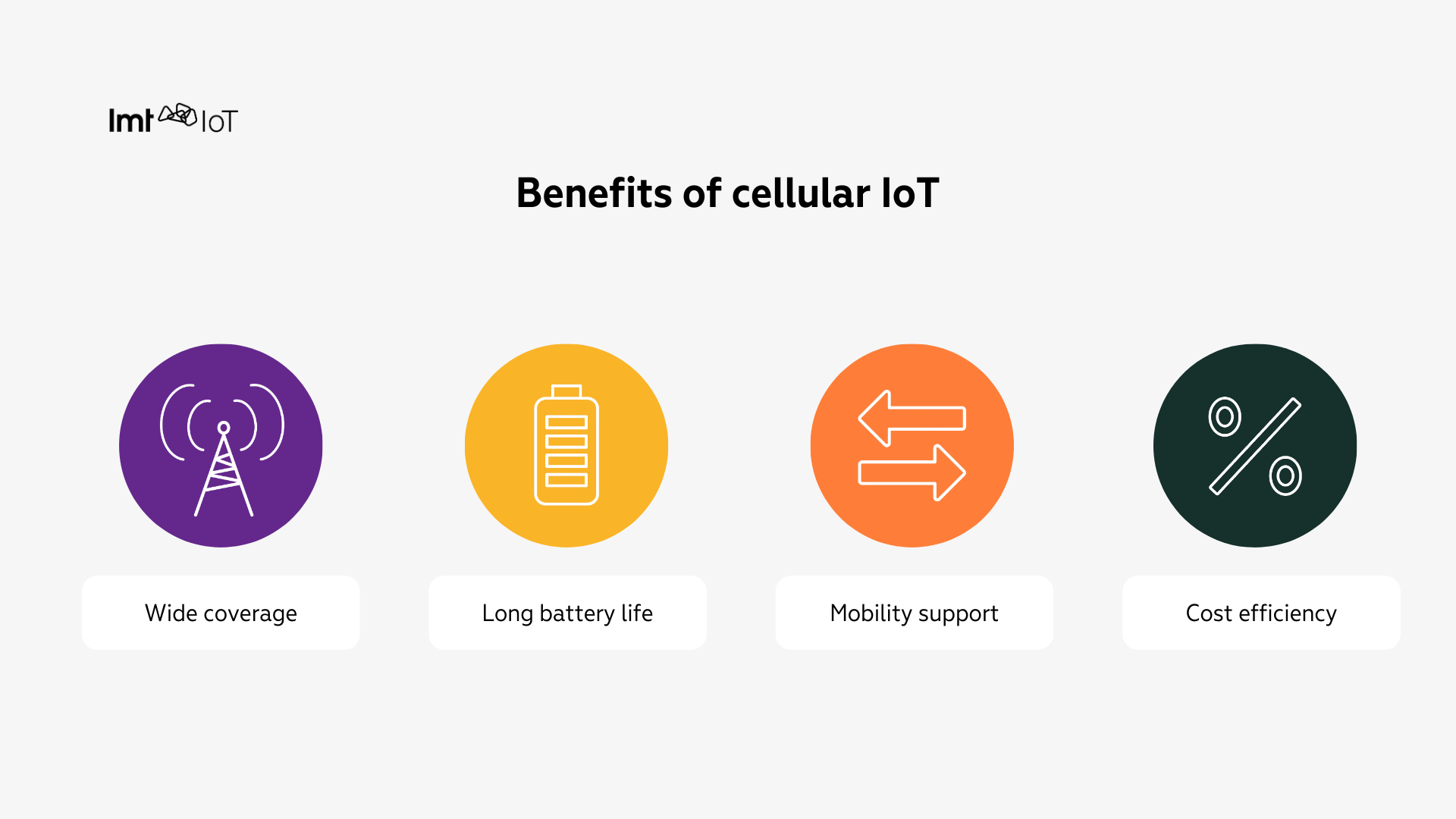
Cellular IoT uses existing mobile networks, such as LTE, LTE-M, NB-IoT, or 5G, to connect smart devices directly to the internet. It works much like the connection on your smartphone: each device has a SIM, eSIM, or iSIM that authenticates it on the network. But instead of people sending messages or browsing online, machines are the ones securely exchanging data with each other and with cloud systems.
The beauty of cellular IoT is that it works almost anywhere where there’s mobile coverage. A smart water meter in a basement, a GPS tracker on a delivery truck, or a soil sensor in a distant field can all stay connected without relying on Wi-Fi or local gateways. Data flows directly through the mobile network to the cloud, where it can be analyzed, visualized, or used to trigger actions in real time.
Benefits of cellular IoT
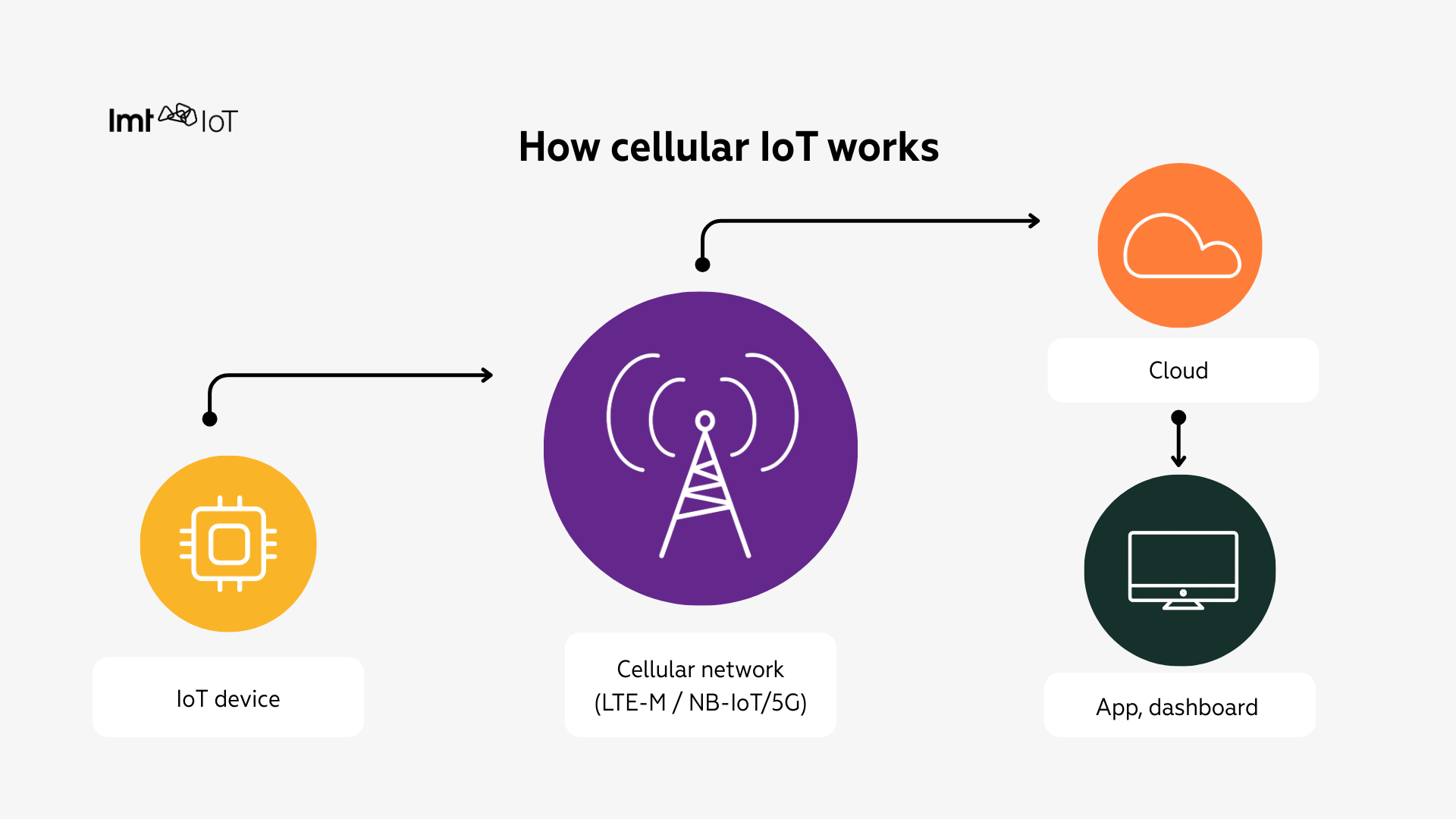
Cellular IoT combines wide coverage, strong security, and scalability, making it one of the most practical connectivity options for connected products. Specifically, the value of cellular IoT is realized through its key features, such as:
- Wide coverage: Cellular IoT works almost anywhere there’s a mobile signal, making it a perfect fit for remote or hard-to-reach locations where Wi-Fi is unavailable or unreliable.
Security and reliability: It operates on the same trusted networks as mobile phones, using SIM-based authentication and built-in encryption to protect every connection and ensure dependable data delivery. - Long battery life: Modern standards like NB-IoT and LTE-M are optimized for low-power operation, allowing devices to run for years on a single battery – ideal for sensors or meters that need to work unattended.
- Easy scalability: Because it uses existing cellular infrastructure, scaling from a few test units to thousands (or even millions) of devices is straightforward and cost-effective.
- Mobility support: Unlike many other low-power network options, cellular IoT supports movement seamlessly – perfect for connected vehicles, asset tracking, or wearables that need to stay online while in motion.
- Cost efficiency: IoT-specific data plans are optimized for small, infrequent data transfers, making cellular IoT far more affordable than traditional mobile subscriptions while maintaining enterprise-grade performance.
Cellular IoT networks
Cellular IoT operates on existing mobile networks, providing nationwide and even cross-border coverage right out of the box. It is part of a broader technology category known as LPWAN (Low Power Wide Area Network) – a type of network designed to support long-range communication while using very little power. LPWAN technologies are ideal for IoT devices that require sending small amounts of data over wide areas and operate for years on battery power.
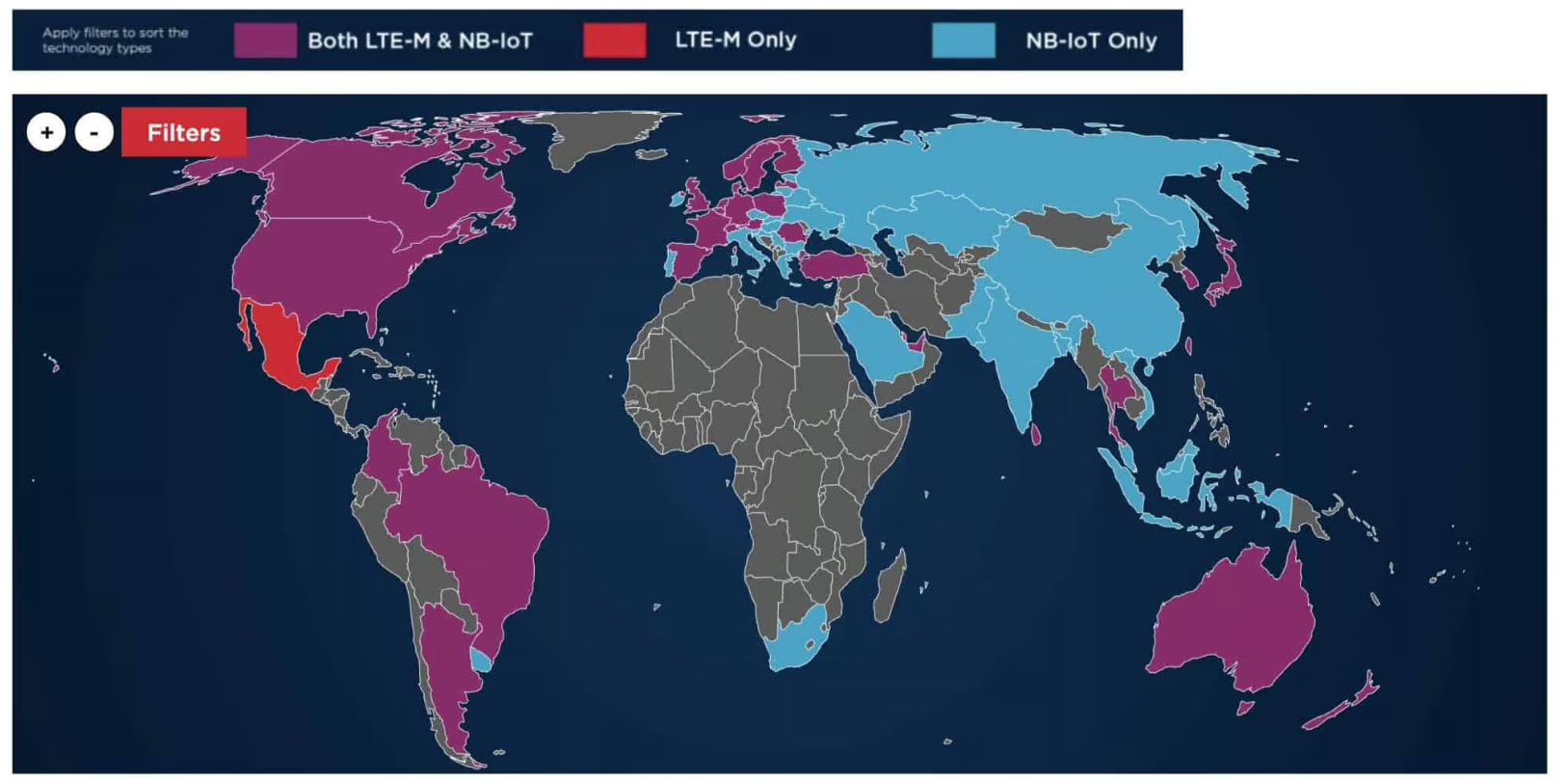
In Europe, the two main 3GPP low-power IoT standards that have been widely adopted are NB-IoT (Narrowband IoT) and LTE-M (LTE Cat-M1), both of which enable reliable, energy-efficient connectivity. According to the GSMA and GSA, over 250 mobile operators worldwide had launched NB-IoT or LTE-M networks by March 2024, with strong adoption across Europe, where the majority of Tier-1 operators support at least one of the two LPWAN standards.
From prototype to cellular IoT product: A five-step path
By selecting hardware that supports dual-mode LPWA, companies minimize connectivity blind spots. This allows launching a product in one country and seamlessly expanding to others without swapping out radios, thus dramatically streamlining market entry into each new region.
However, successfully launching a connected product requires careful integration of hardware, cloud services, and reliable, future-proof connectivity. For companies, this also means meeting high standards for security and market compliance.
This five-step path outlines exactly how your company can move from prototype to mass production quickly and efficiently while relying on carrier-grade security and widely accepted telecom standards.
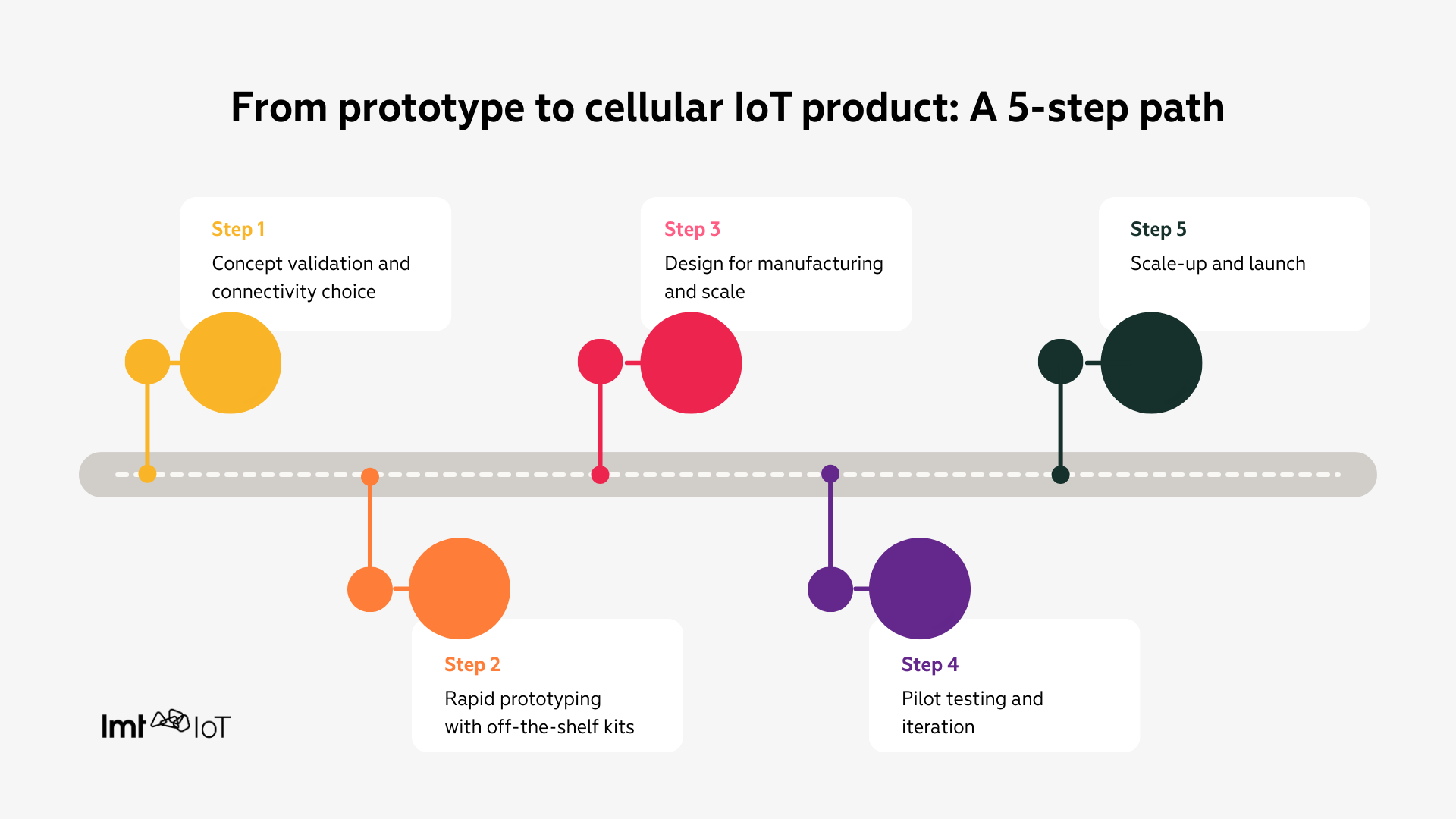
Step 1: Concept validation and connectivity choice
Every IoT journey begins with defining the problem and solution concept. Early on, decide what data you need to collect and how often, and outline the device’s constraints (size, power, environment).
Also, conduct an initial security assessment: identify key security requirements (e.g., data encryption, secure boot, over-the-air firmware updates) that will impact the hardware and communication protocols. Early security planning minimizes costly redesigns later.
At this stage, selecting the right wireless technology is crucial, as it will influence future hardware and design decisions. NB-IoT and LTE-M are often a wise default if you need wide-area coverage. To validate that the target environment has coverage, you can use operator coverage maps or a test SIM to check the signal in the field. The advantage of picking cellular early is that your prototype can be untethered – no Wi-Fi setup or gateway needed, which makes field testing easier.
Simultaneously, make a preliminary decision on the cloud platform and data structure. Knowing where the data will land (e.g., AWS IoT, Azure IoT, a private server) and the required data format will help finalize the communication protocol and message payload size, which directly affects power consumption and bandwidth needs.
Ideal outcome of Step 1: a clear understanding that “if we build a device like X, we can connect it via Y network, which is available in our market,” plus some rough estimates of battery life with that technology, and a clear outline of the core security requirements and the target cloud/data ingestion platform.
Step 2: Rapid prototyping with off-the-shelf kits
Don’t reinvent the wheel – take advantage of the rich ecosystem of cellular IoT dev kits and modules to build your prototype. Most module vendors offer evaluation boards that include an NB-IoT/LTE-M modem, a SIM slot (often with a test SIM card), and easy-to-use interfaces (USB or Arduino pins) for connecting sensors. Using these, you can establish a basic data pipeline in just a few days: sensor → module → cloud.
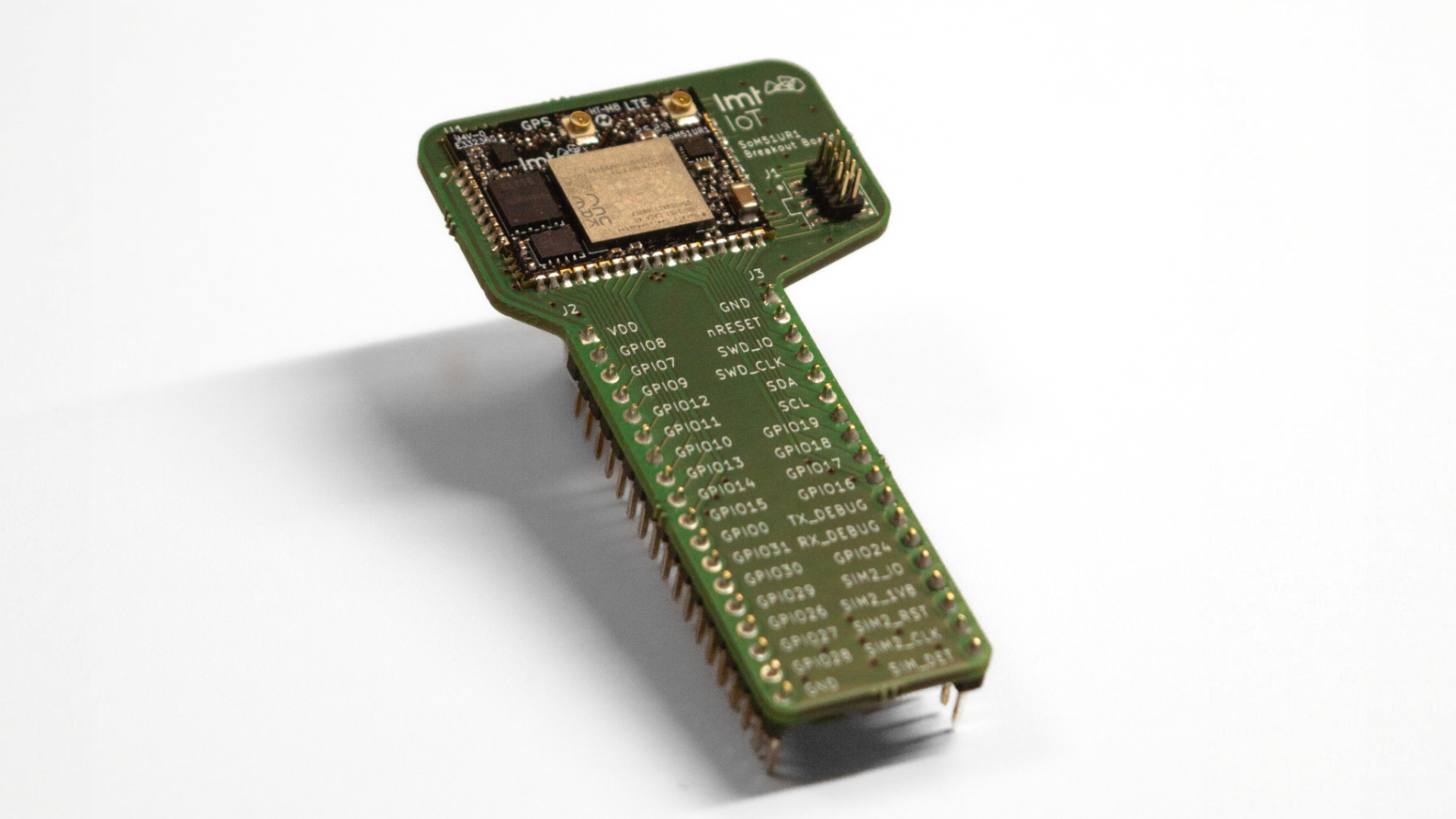
The key in this step is to quickly achieve a working proof of concept, showing that your device can read data and transmit it via cellular to your application. You’ll likely use generic cloud endpoints initially. Cellular IoT helps here because you don’t waste time setting up local network infrastructure, and each dev kit works anywhere there’s a signal.
Ideal outcome of Step 2: a functional prototype (perhaps not pretty, but functional) that demonstrates your core use case end-to-end. For instance, a temperature sensor posts its reading to the cloud every hour via NB-IoT, and you can view it on a web dashboard.
Step 3: Design for manufacturing and scale
With a proven concept, you can now move to designing a custom device that meets your product requirements (size, cost, durability). Here, cellular modules simplify the process – instead of designing radio frequency (RF) circuits from scratch, you embed a pre-certified module into your printed circuit board (PCB).
Select a module that offers the features you require (e.g., GNSS for location tracking, or dual-mode NB-IoT/LTE-M for roaming capabilities). Many modules are pre-certified for regulatory compliance and even have carrier approval. Using one of these can save months off your time-to-market, since you won’t need to go through complete RF certification testing from scratch.
During this phase, also consider your SIM strategy: will you use a removable SIM card or an eSIM soldered directly to the board? For scale, many choose eSIM with a global connectivity provider, so you don’t have to swap SIMs per country. You’ll also implement power optimizations in firmware to ensure your battery targets are met.
We suggest designing your PCB with test pins or debug access so you can fine-tune the modem firmware and get logs during field trials.
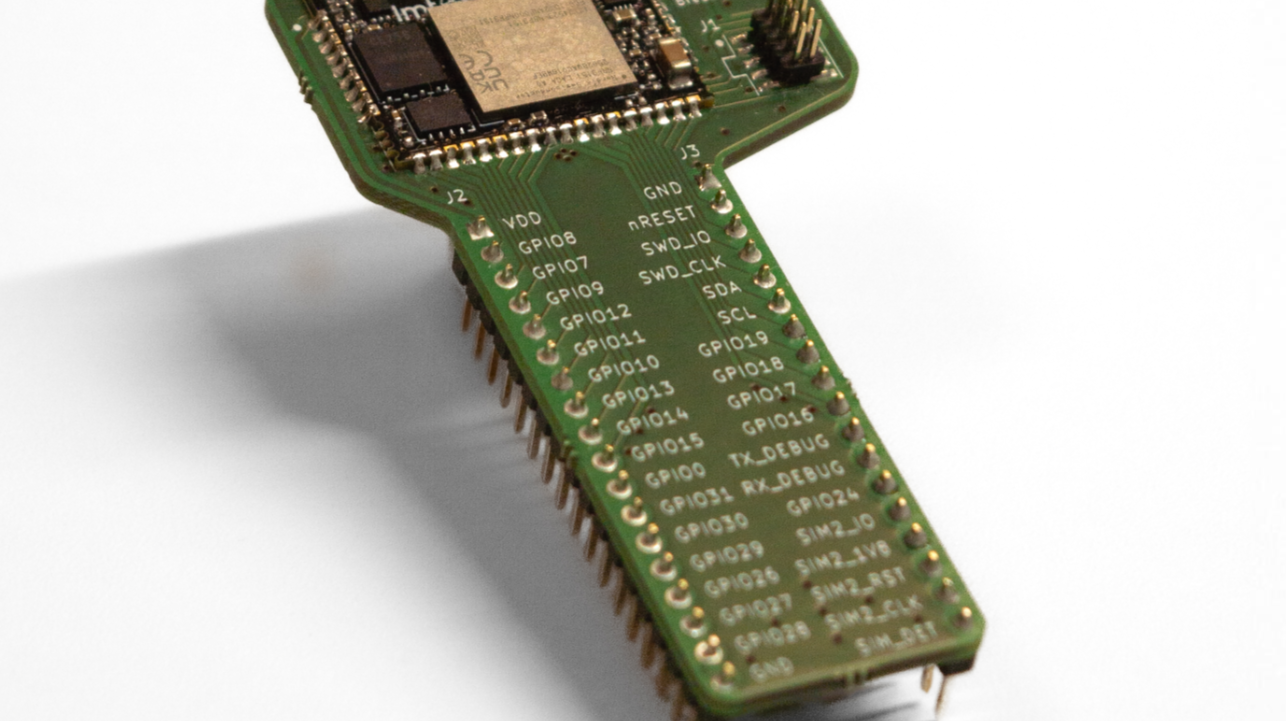
Ideal outcome of Step 3: an MVP hardware design – maybe a small batch of custom boards or 3D-printed devices that look closer to the final product – ready for field testing. Importantly, because you used a cellular module and SIM that are globally accepted, you have a clear path to mass production without unexpected certification delays.
Step 4: Pilot testing and iteration
Now deploy a pilot in the real world. This might be a dozen devices given to beta users or installed at pilot customer sites. Thanks to the nature of cellular IoT, you can deploy these units without setting up a local network – each device connects as soon as it’s powered on and within coverage.
During the pilot, closely monitor device performance, including connectivity uptime, signal quality, battery consumption, and data usage. Most IoT connectivity platforms (or SIM providers) give you a portal to monitor your SIMs, set alerts for unusual behavior, and even remotely update SIM network profiles if needed. Collect feedback on whether the data is flowing reliably and if any tweaks are needed.

This stage is critical for fine-tuning. If a device fails or disconnects, you can retrieve it and fix the issue. Because you’re using a standardized network, you can often pinpoint if it’s a device issue vs a coverage issue by comparing with network logs. Iterate on both hardware and firmware to refine and resolve issues.
Ideal outcome of Step 4: a validated product in a real environment, with demonstrated KPIs – for example, “90% of our trial devices reported hourly data successfully, battery usage indicates 3-year life”. You’ll also have documentation of compliance, such as CE test results inherited from your module, maybe a carrier certification if needed, ready for the next step.
Step 5: Scale-up and launch
With a successful pilot, you’re ready to ramp up production and launch commercially. At this point, engaging with an IoT connectivity provider or telecom partner can help manage the logistics of thousands of connected devices.
Many companies often work with aggregators to get bulk SIM deals at a low cost. It’s not uncommon to get IoT connectivity for €5 or less per device per year for reasonable data volumes, which should be included into your service costs.
Since the devices are already certified and field-tested, scaling primarily involves operations: setting up cloud infrastructure to handle the data influx, establishing customer support processes, and implementing maintenance routines such as firmware update schedules. Here, cellular IoT offers peace of mind – operators monitor and maintain the network, so your job is to maintain the devices and data service.
When expanding to new markets, ensure your SIM or eUICC has coverage there or obtain a local roaming profile if necessary, and you won’t need to change the device hardware. In this final phase, also arrange for final certifications, such as a telecom operator’s stamp of approval if testing is required on their network.
Ideal outcome of Step 5: a market-launched IoT product. You have units rolling off the production line, connectivity in place, and the ability to support those units in the field. From here on, it’s about acquiring customers – the tech foundation you built with cellular IoT will help ensure that early deployments are smooth, which is critical for positive reviews and growth.
How the LMT IoT Shortcut helps you launch products in months
Despite the advantages of cellular IoT, building an end-to-end solution can still feel like a lot – you need to integrate hardware, connectivity, cloud services, and user applications. This is where IoT platforms come into play. A platform like IoT Shortcut is a great example of an offering that bundles all the necessary pieces to help companies go from idea to launch in a matter of months.
Developed by LMT IoT, a division of Latvian mobile innovator and telecom operator LMT, the IoT Shortcut platform is designed to remove friction from IoT development. It unites everything innovators need into one certified package: hardware, firmware, LTE-M/NB-IoT connectivity, EU-based cloud services, a multi-device platform, and a white-label mobile app for end users. In essence, it’s a full-stack toolkit for building cellular IoT products without piecing together components from scratch.
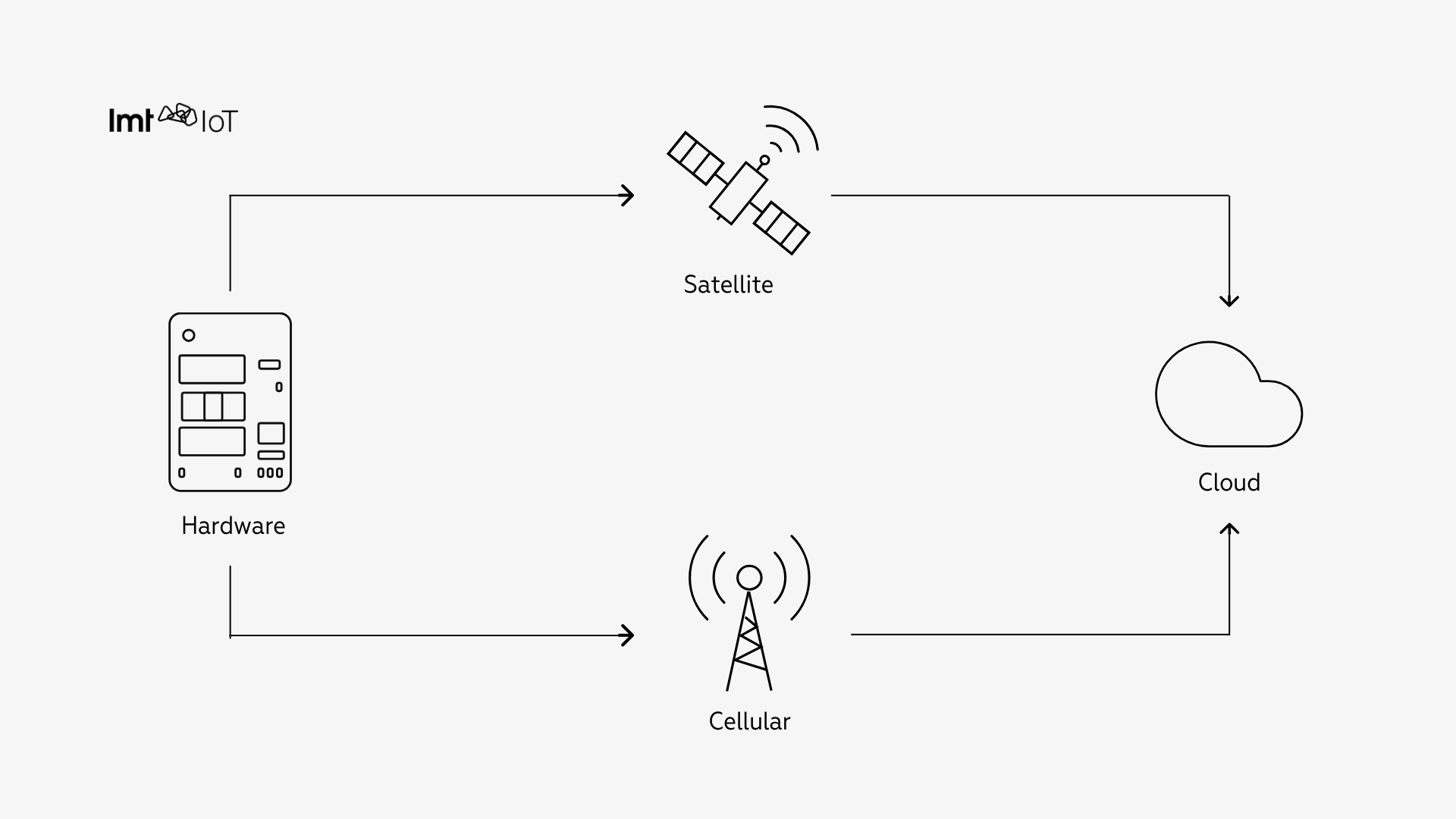
Here’s how LMT’s IoT Shortcut delivers a production-ready solution from day one.
Pre-certified hardware for instant global cellular IoT connectivity
The core of the IoT Shortcut system is a tiny yet mighty LMT System-on-Module (SoM), enabling you to skip complex hardware design and regulatory hurdles.
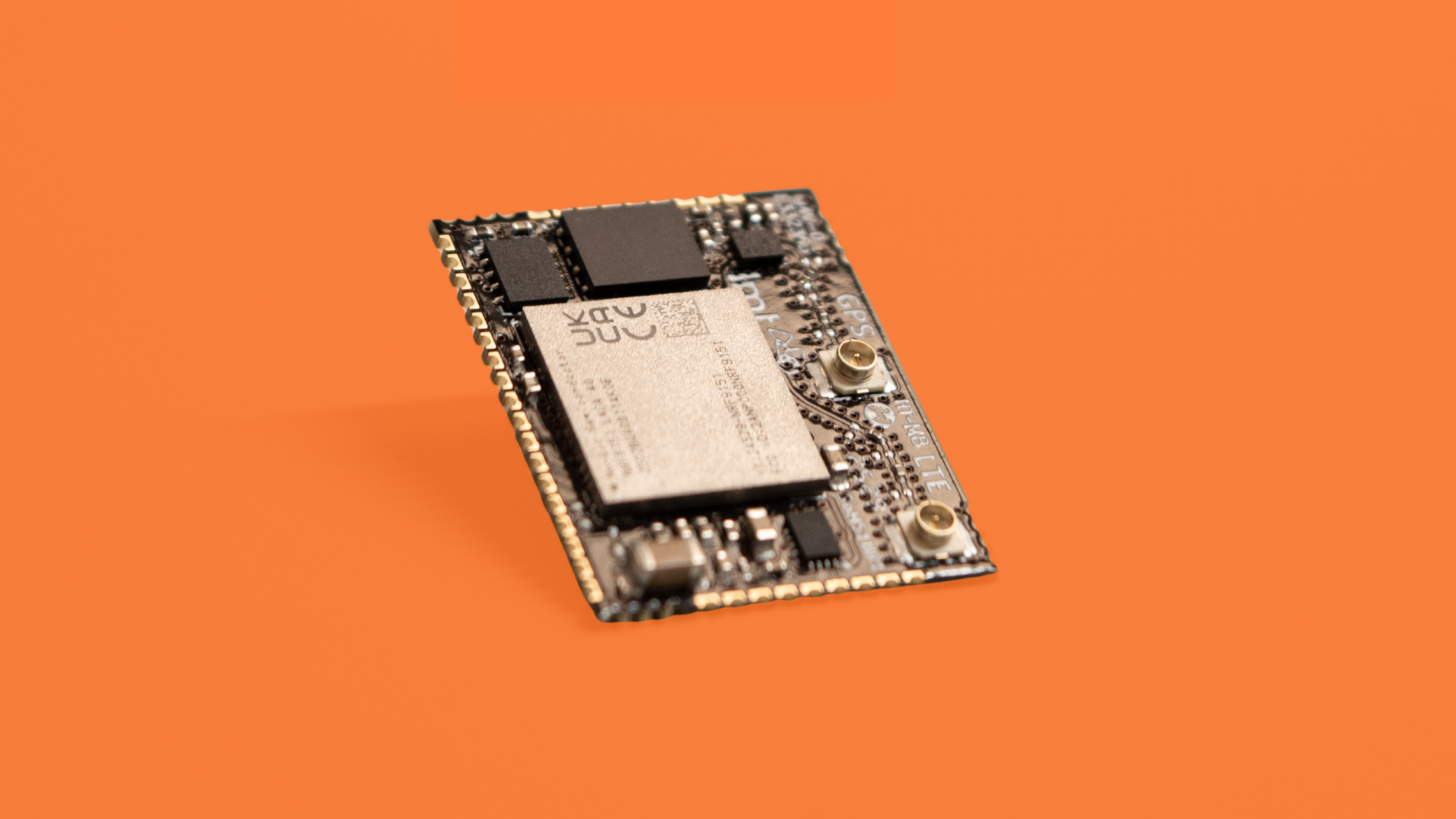
To understand how the LMT SoM achieves this massive simplification and accelerates your development, consider its core attributes:
- Global certification out of the box: The 20x26mm SoM is pre-certified for global cellular use (LTE-M/NB-IoT), meeting CE/FCC and carrier approval requirements in major markets. This massive time-saver effectively removes months of critical regulatory compliance work.
- Simplified hardware integration: You can integrate it easily using standard assembly methods, eliminating the need for specialized RF design. You can solder it onto your carrier board just like any other component.
- Zephyr-based SDK: Includes a powerful Software Development Kit (SDK) built on the industry-standard Zephyr OS. This SDK provides pre-built software blocks for critical functions, such as efficient data transfer (UDP/CoAP) and essential security (DTLS). It also features default power-saving features such as PSM and eDRX, significantly extending battery life.
Instant end-to-end connectivity and cloud integration
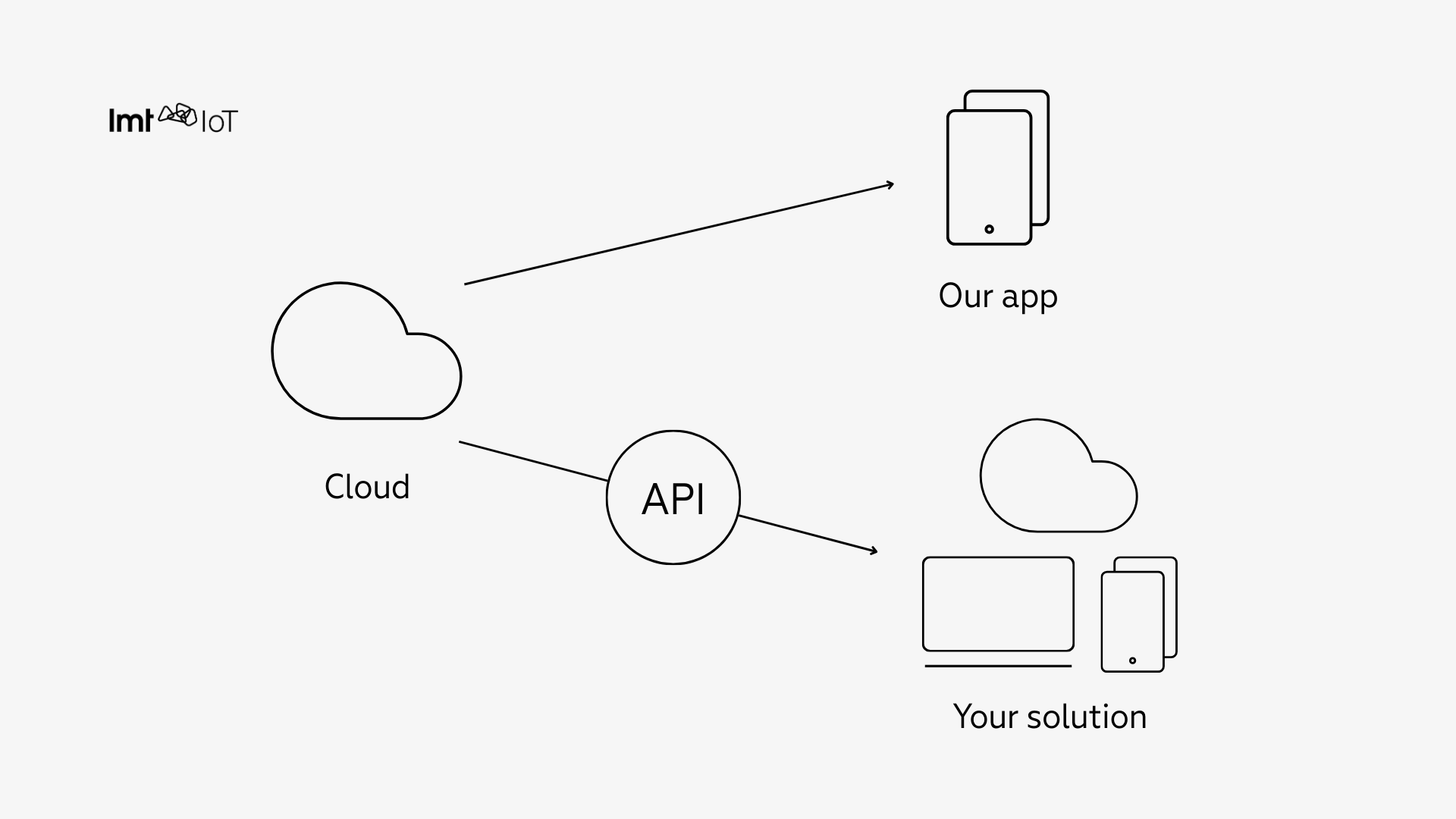
IoT Shortcut includes a secure EU-based cloud service. Hence, all device data is processed through a GDPR-compliant IoT Shortcut Cloud. Companies can use this cloud layer in two ways: to analyze data and manage their entire device fleet via the IoT Shortcut multi-device platform or as a reliable data pipeline and backup service that forwards data to their own endpoints via API or webhooks.
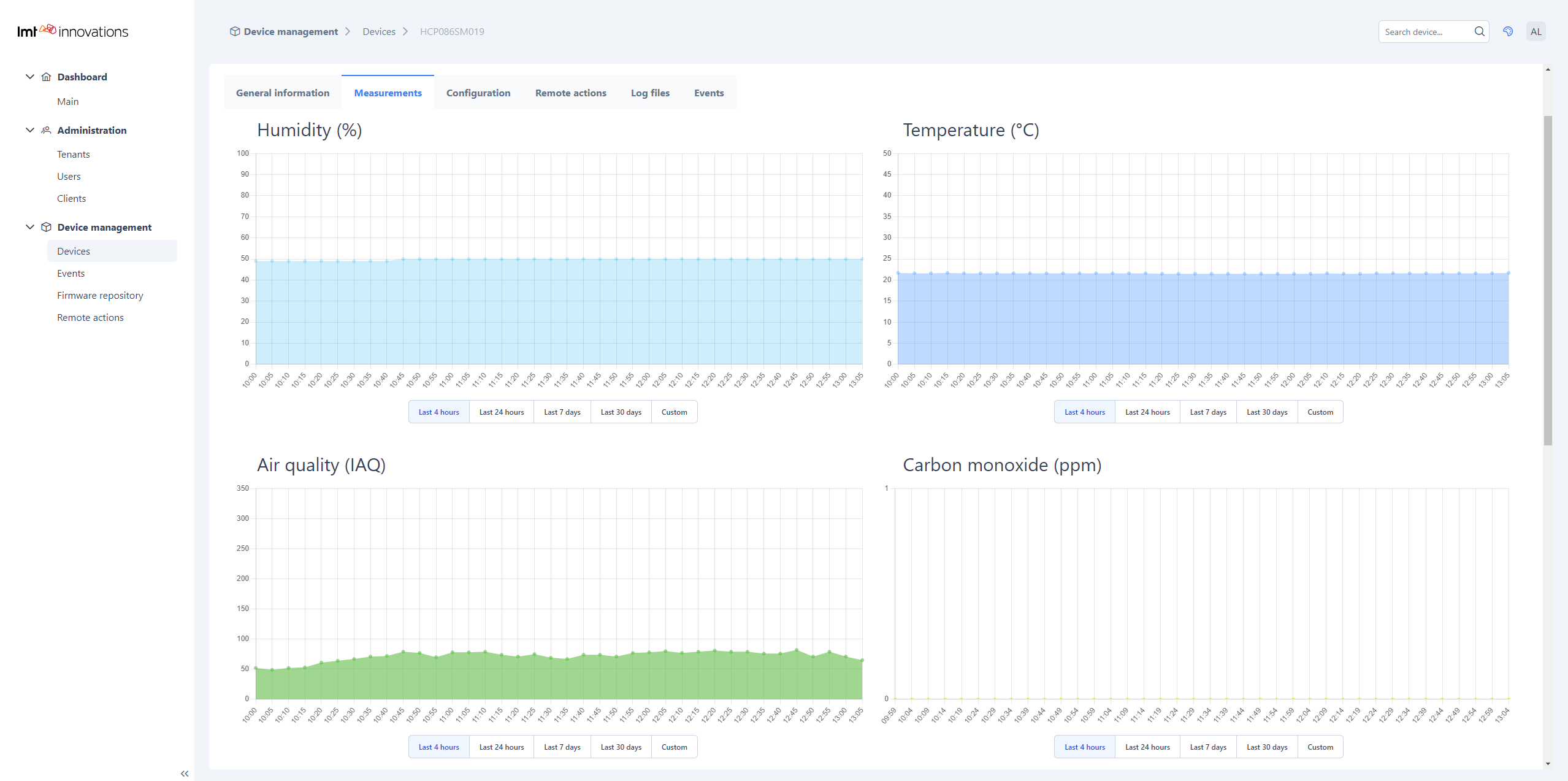
Out-of-the-box fleet management
IoT Shortcut consolidates all your devices and data into a single, cohesive platform, eliminating the need to integrate multiple third-party services. By using a web dashboard, you can manage your device fleet, view data, and remotely configure devices. The platform also supports multi-tenant setups for B2B applications and ensures data residency is met by storing data on servers within the EU.
White-label mobile app
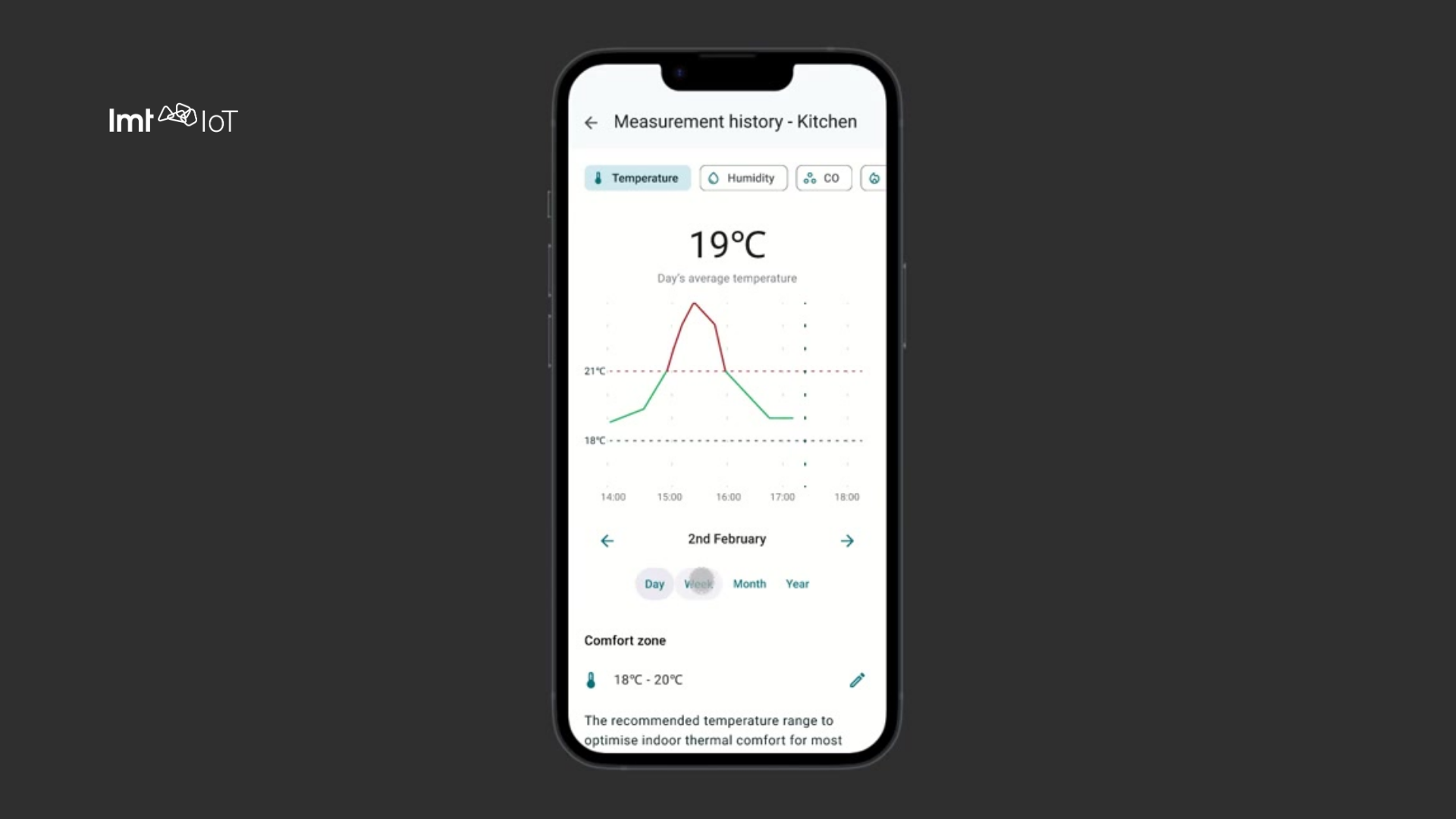
The IoT Shortcut package includes a white-label mobile application for iOS and Android. This pre-engineered component significantly shortens the path to market by eliminating the need for your team to develop a complete mobile application and the associated backend infrastructure from the ground up.
The primary benefit is the elimination of months or even years of costly development, testing, and deployment cycles. This ready-made application is fully customizable, allowing for seamless brand integration using your specific logo, color palette, and corporate messaging, ensuring the end-user experience remains professional and consistent with your brand identity.
Furthermore, the application is built with essential IoT features pre-configured, including secure user authentication, remote device control and monitoring, and clear data visualization, all while providing the crucial advantage of reduced maintenance burdens, as platform updates and OS compatibility are handled by the solution provider.
Build smarter, launch faster, and scale securely with cellular IoT
Cellular IoT is not just a connectivity choice. It’s a strategic enabler for speed and reliability. European companies that embrace it can punch above their weight, launching solutions that are carrier-grade from day one and scaling them across countries with relative ease. As 5G and IoT continue to converge, the possibilities will only expand – from smart cities to Industry 4.0, green tech, and beyond.
If you’re an innovator, the message is clear:
the technology and infrastructure are ready – it’s your turn to build something great with the power of cellular IoT, and platforms like IoT Shortcut by LMT helping to clear the path ahead.
As an operator-built solution, the IoT Shortcut prioritizes security and reliability, easing the ongoing compliance and device management burden throughout the product’s lifespan.
Explore LMT IoT Shortcut to learn more about our developer kits or schedule a demo with our IoT specialists.